UK Vape Tax 2026: What It Means for You
22nd Oct 2026
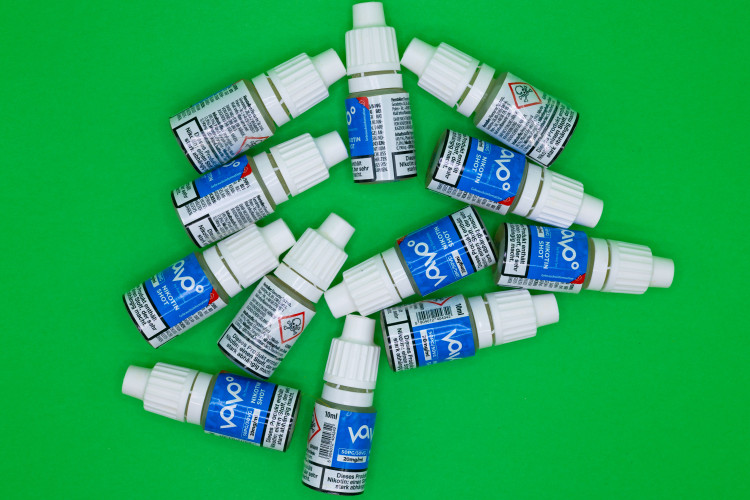
If you vape regularly, you've probably seen headlines about a new UK vape tax landing in 2026. It's real, and the details are now confirmed. From 1 October 2026, the Vaping Products Duty adds a flat £2.20 to every 10ml of vaping liquid sold in the UK, whatever the nicotine strength. Here's what that actually means for your wallet, what's changing (and what isn't) around disposable vapes, and what else is on the way before the end of the year.
What Is the Vaping Products Duty?
The Vaping Products Duty is a new excise duty on vaping liquid, introduced under the government's wider Tobacco and Vapes Act 2026. It's charged per 10ml rather than as a percentage of price, and it doesn't scale with strength: a nicotine-free 0mg shortfill pays exactly the same duty as a 20mg nic salt of the same size.
The duty is charged on liquid produced in or imported into the UK. Manufacturers and importers are the ones legally required to register with HMRC and pay it, not retailers or shoppers directly. Whether that cost then shows up on the shelf price is a decision each business makes for itself.
The government's stated reason for introducing the duty is to reduce the affordability of vaping, particularly for young people and people who have never smoked. That's the policy rationale from GOV.UK, not an editorial position: whatever your view on it, the rate and start date are now confirmed rather than proposed.
We first wrote about this when it was still under consideration, with no confirmed rate or date attached to it. That's no longer the case: everything above is now set in law.
When Does the Vape Tax Start?
Registration for the duty opened to businesses on 1 April 2026, giving manufacturers and importers time to get set up with HMRC. The duty itself becomes chargeable from 1 October 2026, confirmed by HMRC in its latest guidance. Any vaping liquid manufactured or imported on or after that date has to carry a valid duty stamp straight away, which is where the Vaping Duty Stamps Scheme comes in below.
How Will the Vaping Duty Affect Prices?
Because the duty is a flat £2.20 per 10ml rather than a percentage, it affects cheap and premium e-liquid differently. Add £2.20 to a 10ml bottle that already costs £5.99 and the increase is proportionally far larger than adding it to a bottle priced at £15. Budget-focused ranges, including many one-pound and multi-pack e-liquids, are likely to see the biggest relative price movement.
What actually happens to shelf prices from October isn't fixed by law. The duty is charged to the manufacturer or importer, and it's their decision whether to pass the full £2.20 on to the customer, absorb part of it, or adjust pack sizes and multi-buy deals instead. Different brands and retailers will land on different answers, so a single "prices will rise by X%" figure for the whole market isn't something anyone can state accurately yet.
The Vaping Duty Stamps Scheme, Explained
Alongside the duty itself, HMRC is introducing the Vaping Duty Stamps Scheme: a physical or digital stamp applied to vaping products to prove the duty has been paid, similar to the duty stamps already used on some tobacco and alcohol products.
For most vapers, this is background machinery rather than something to act on. The relevant dates for the trade are:
- From 1 September 2026: digital duty stamps become available for businesses to use.
- Until 30 November 2026: businesses can still purchase traditional physical stamps, with a further month (to 31 December 2026) to affix them to stock.
- From 1 January 2027: digital stamps become mandatory.
- Until 31 March 2027: retailers and wholesalers can continue selling unstamped stock that was already in their inventory before the scheme's cutover.
If you notice a stamp on a pod or e-liquid box from late 2026 onwards, that's what it's for. It has no bearing on how you use the product.
What About the Disposable Vape Ban? (Exceptions Explained)
It's easy to lump the vape tax in with the disposable vape ban, but they're two separate rules on two different timelines. The disposable ban isn't new for 2026: it's been in force since 1 June 2025, under the UK-wide ban on single-use vapes.
Under that ban, a vape counts as single-use, and is therefore illegal to sell, if it has a battery you cannot recharge, or if it isn't refillable. To be sold legally as a reusable device instead, a vape has to meet all three of these conditions:
- A rechargeable battery.
- A refillable container for the e-liquid, whether that's a pod, cartridge, chamber or tank.
- A removable and replaceable coil, if the device uses one.
Refill pods or e-liquid bottles also have to be sold separately for the device to count as genuinely reusable. If a product meets all of that, it's exempt from the ban and can still be sold, whatever it looked like or how it was marketed before June 2025.
This sits alongside other regulatory shifts vapers are watching, including the flavour bans several European countries have introduced. The UK hasn't adopted anything in that form, at least not yet: more on what's actually being consulted on below.
What Vapes Are Still Legal in the UK?
In practice, that means the rechargeable, refillable pod kits and tank systems that make up most of the current market are unaffected by the ban. They still have to meet the standard limits that already apply to all vaping products in the UK under the Tobacco and Related Products Regulations 2016:
- A maximum tank or pod capacity of 2ml.
- E-liquid bottles capped at 10ml.
- A maximum nicotine strength of 20mg/ml (2%).
If you're still using an older single-use disposable from before June 2025, it won't be restocked once it's gone: shops can no longer legally sell genuinely single-use devices. A rechargeable pod kit is the straightforward like-for-like replacement, and most work in a very similar way: drop in a prefilled pod, vape, recharge.
Other New Vape Rules Coming in 2026 (and Beyond)
The Vaping Products Duty is one part of a wider package of change under the Tobacco and Vapes Act 2026. Some of it is already confirmed law with a fixed date. Some of it is still out for consultation and hasn't been finalised. Here's what's what:
|
Date |
Change |
Status |
|
1 June 2025 |
Single-use (disposable) vapes banned |
Confirmed, already in force |
|
1 October 2026 |
Vaping Products Duty begins (£2.20 per 10ml) |
Confirmed |
|
29 October 2026 |
Free samples and vending machine sales of nicotine products banned |
Confirmed |
|
1 January 2027 |
Digital duty stamps become mandatory |
Confirmed |
|
1 June 2027 |
Advertising and sponsorship ban for vapes and nicotine pouches |
Confirmed |
|
From 10 July 2026 (12-week consultation) |
Restrictions on flavour naming and plain, standardised packaging for vape products |
Proposed, under consultation, not yet law |
The flavour naming and packaging changes are the ones most likely to affect how vapes look and are marketed on shelves, but nothing is fixed yet. The government has indicated flavour descriptions would likely be limited to simple, recognisable terms, such as "apple" rather than more evocative dessert or character names, with packaging restricted to a small number of colours. Until the consultation concludes and regulations are laid before Parliament, none of that has legal force.
What Should You Do Before 1 October 2026?
There isn't a long list of actions here, and no need to panic-buy. Two practical things are worth doing before October.
Check that your current device is genuinely reusable under the June 2025 rules: rechargeable, refillable, with a replaceable coil if it has one. If it already is, and most current pod kits and tank systems are, the new duty doesn't change what you're allowed to use.
Expect e-liquid pricing to move from October, particularly on budget and multi-pack lines, and keep an eye on how individual brands and retailers respond rather than assuming a single across-the-board increase. Once suppliers confirm their own pricing, that's the figure worth watching, not a market-wide estimate.
FAQs
Does the vape tax apply to nicotine-free (0mg) e-liquid?
Yes. The duty is charged per 10ml regardless of nicotine strength, so a nicotine-free bottle is taxed exactly the same as a 20mg one of the same size.
Is the vape tax the same as the disposable vape ban?
No. They're separate rules on separate timelines. The disposable vape ban has been in force since 1 June 2025; the Vaping Products Duty is a new tax that starts on 1 October 2026.
Do I need to do anything before 1 October 2026?
Not much. If your current device is already rechargeable and refillable, which most current pod kits and tank systems are, the new duty doesn't change what you're allowed to use. It's a tax on the liquid, not a restriction on the hardware.
Will vape prices definitely go up because of the tax?
Not automatically, or not by a fixed amount. Manufacturers and importers pay the duty, and each one decides individually whether to pass the £2.20 on in full, absorb part of it, or adjust pack sizes and multi-buy deals instead.
Further Reading
For more on the regulatory backdrop, read our earlier coverage of the tax proposal when it was first being considered, and how other European markets are handling flavour restrictions. For everything else happening across the site, visit our Latest News section.